Home Window Tinting: A Smart Guide
By
Ethan
Published
February 6, 2026
Read Time
4 min read
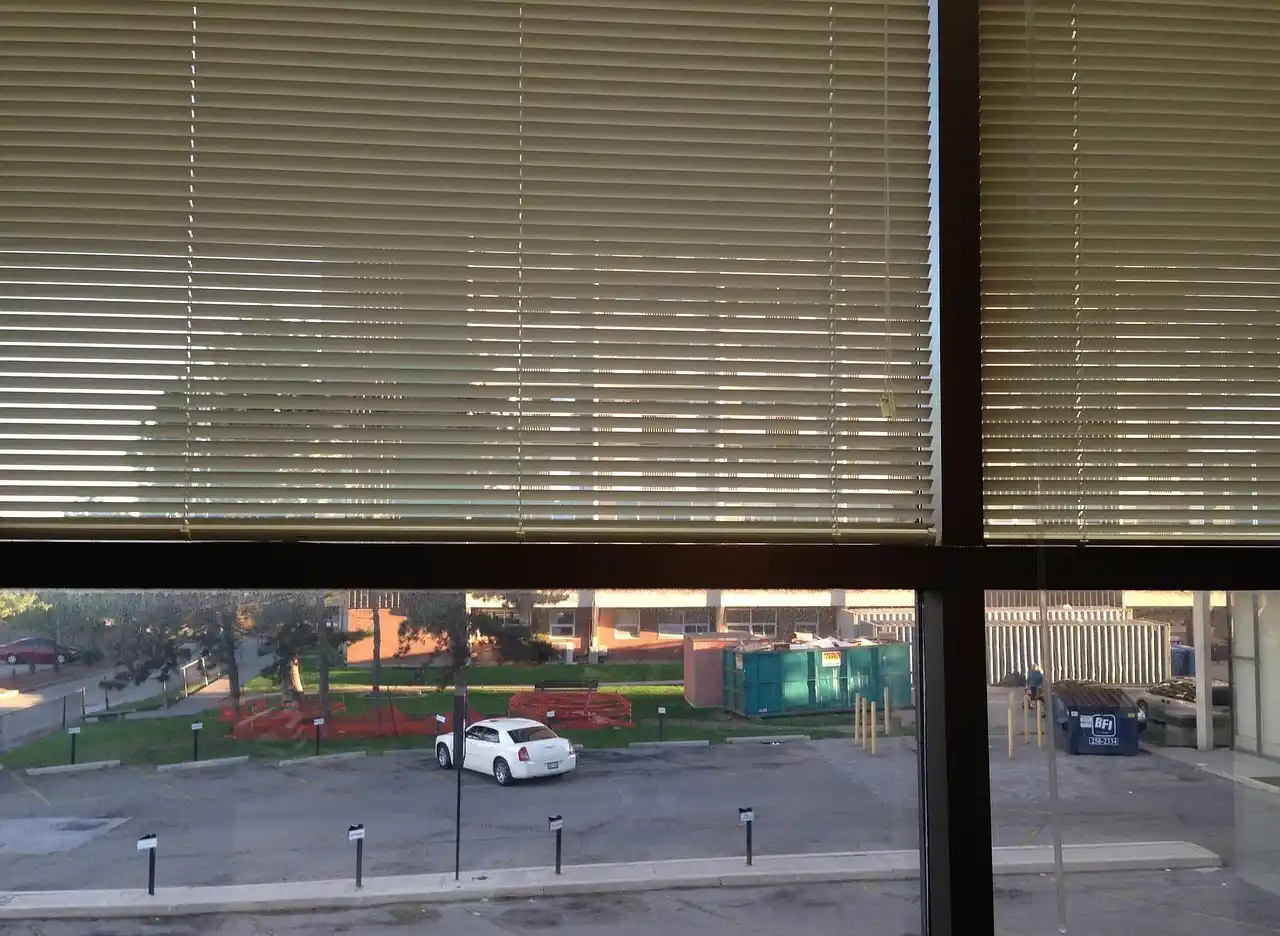
Overview of Home Window Tinting
Home window tinting is a popular upgrade to improve comfort, privacy, and energy efficiency. By applying a thin film to glass, homeowners can reduce heat gain, minimize UV exposure, and control glare without sacrificing natural light. The right tint creates a more comfortable living space and protects furnishings from sun damage while typically reducing hot spots near windows.
Benefits of Home Window Tinting
Energy savings and interior protection are among the top reasons homeowners pursue tinting. Window film acts as a barrier that reflects or absorbs infrared heat, reducing cooling loads in hot climates and helping HVAC systems run more efficiently. UV protection helps preserve carpet, art, and wood floors by limiting fading.
Energy efficiency and heat reduction
In hot seasons a tinted film lowers heat transfer through glass, which lowers cooling needs and keeps rooms comfortable during peak sun hours.
UV protection and interior preservation
Most films block a large portion of UV rays that cause fading and fabric degradation while remaining transparent enough for daily use.
Glare reduction and privacy
Tint reduces glare from direct sun and headlights at night, improving comfort and privacy without concealing the view completely.
Tint Types and Performance
| Type | UV Rejection | Glare Reduction | Heat Rejection | VLT Range | Pros | Cons |
|---|---|---|---|---|---|---|
| Dyed Film | High | Moderate | Moderate | Wide | Affordable and easy to install | Fades over time |
| Metalized Film | High | High | High | Broad | Strong glare control and durability | Can interfere with electronics and devices |
| Ceramic Film | Very High | Very High | Very High | Varies | Best overall performance and non conductive | Highest cost |
How to Choose the Right Tint
Consider climate, sun exposure, legal limits, and privacy needs. For homes with large south or west facing windows higher heat rejection may be worth the investment. Some municipalities limit the light transmission on front windows and driver side windows; check local regulations before purchase. Inspect window type and frame compatibility to ensure the film adheres well over time.
Professional Installation vs DIY
Professional installation guarantees proper adhesion edge sealing and warranty coverage. DIY kits may be tempting for cost saving but can lead to bubbles and uneven application if not done carefully. For EEAT credibility we recommend a certified installer with valid license and warranty policy.
Maintenance and Longevity
Clean the film with a soft cloth and mild soap solution. Avoid abrasive scrubbers and ammonia based cleaners that can degrade the film. Promptly address any edge lifting by contacting the installer to preserve warranty.
Cost Considerations
Prices vary by film type brand window size and labor. In general ceramic films command a premium but offer the best long term efficiency. Expect a range that fits most budgets with professional installation often the most reliable value over time.
Frequently Asked Questions
Will tinting my entire house ruin my view Not at all with light tint options; you can choose shades that preserve visibility while blocking heat. Is tinting legal for all windows Local laws vary so check limits on front windows. Does tinting affect home insurance Some policies may require disclosure consult your insurer for specifics.
Conclusion, home window tinting offers comfort protection and energy savings when you choose the right film and install it professionally. By considering climate local regulations and proper maintenance you maximize value and preserve the integrity of your interiors.